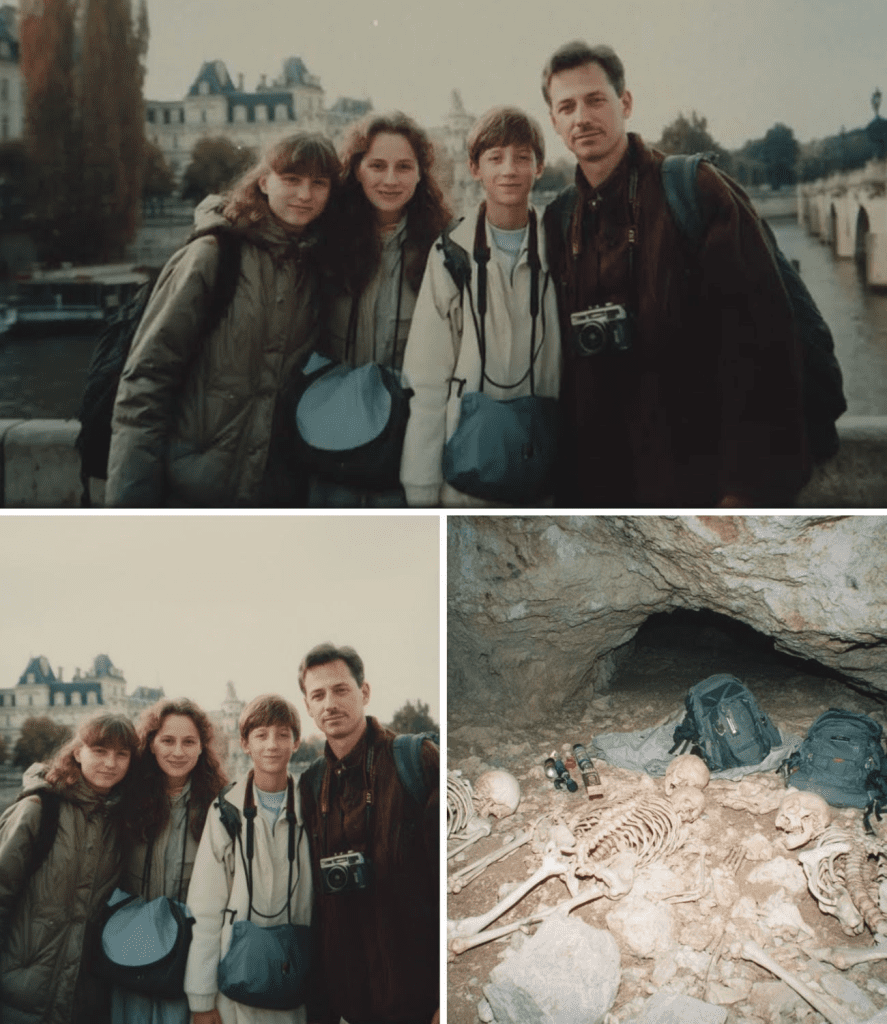
The Disappearance
The Grand Canyon has always been a place of wonder, awe, and mystery. Its layers of stone hold millions of years of Earth’s memory, yet even in modern times, it keeps its own secrets.
In the summer of 2006, Jacob and Hannah Mercer decided to take their two children—Ethan, age 10, and Lily, age 7—on a camping trip that would, as Jacob said, “show them something bigger than themselves.” The Mercers were not strangers to adventure. Jacob was a history teacher fascinated by geology, and Hannah was a nurse who found peace in nature. Together, they had made a ritual of spending their summers outdoors. But this trip was supposed to be special.
They arrived at the South Rim of the Grand Canyon on a warm June morning. Witnesses saw them purchase trail maps, a permit, and bottled water. A ranger remembered Lily pointing at a condor in the sky, her laugh echoing in the visitor center. They parked their car at a remote trailhead near Horseshoe Mesa, where few tourists wandered.
That was the last confirmed sighting of the Mercer family.
When they didn’t return home to Flagstaff three days later, Hannah’s sister reported them missing. The search began immediately. Rangers, helicopters, and volunteers combed the trails. Their car was found exactly where they had left it—locked, supplies still inside. It was as though they had stepped off the earth.
For weeks, rescue teams scoured the canyon, but no clues surfaced. No backpacks, no clothing, no remains. The official report concluded they were “likely victims of environmental hazard,” meaning they may have fallen into the canyon, lost to its depths. But without evidence, their fate became an open wound for the community—and a mystery that captivated the nation.
Seven Years of Silence
From 2006 to 2013, rumors swirled. Some believed the family had staged their disappearance. Others suggested foul play. A few, including tribal elders, whispered that the canyon itself had taken them—absorbed them into its hidden places.
For Hannah’s sister, Sarah, the years were unbearable. “I woke up every night thinking about Lily’s face,” she told a local paper. “I just wanted to know if they were cold, if they were scared, if they knew we were still looking.”
Every anniversary of their disappearance, candles were lit along the rim. The Mercers’ names became a kind of prayer, carried by strangers who had never met them but felt the ache of their absence.
The Discovery
In March 2013, a team of explorers from the University of Arizona was mapping remote caves for geological study. Using advanced sonar, they detected a void behind a collapsed section of rock deep within Horseshoe Mesa. After several days of clearing debris, they crawled into the hidden cavern.
What they found stunned them.
There, in the cool silence of the cave, lay the remnants of a campsite. A fire pit built from local stone. A journal wrapped in plastic. Rusted tin cups. A faded children’s backpack with Lily’s name embroidered on it. And against the far wall, preserved in the dry air, were skeletal remains—two adults, one child, and, slightly apart, another child’s small frame curled beneath a blanket.
It was the Mercer family.
The Journal
The discovery alone could have ended the mystery, but the journal changed everything. Written in Hannah’s neat handwriting, it chronicled their final days.
On June 14, 2006, the family had set out for a hike but became disoriented when a sudden storm rolled in, shrouding the trails in rain and fog. Trying to find shelter, they stumbled upon a rockslide that revealed a hidden entrance to a cavern. With the storm worsening, Jacob insisted they wait it out inside.
What began as temporary refuge turned into entrapment when another slide sealed the entrance. They were trapped, unable to move the tons of stone blocking their way.
The journal entries grew increasingly haunting.
June 15: “We’re conserving water. The kids are scared. Jacob keeps saying the rangers will find us soon.”
June 17: “The air is dry, but we’ve made a fire. Ethan draws in the dirt to distract Lily. They keep asking when we’ll go home.”
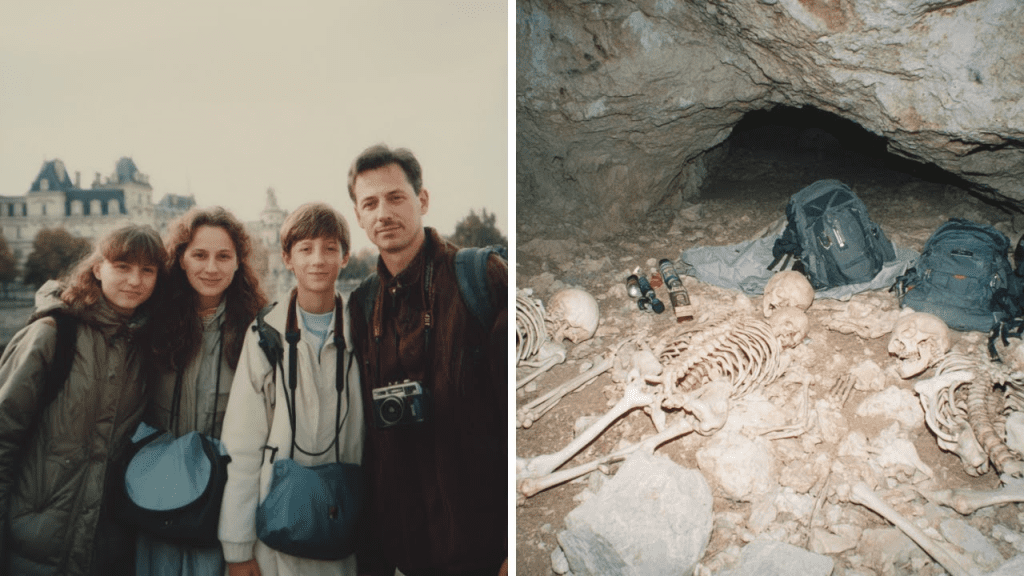
June 20: “We tried calling out. No answer. Our voices echo back. Jacob hurt his shoulder trying to push rocks away. I’m trying to keep everyone calm.”
June 23: “Food is nearly gone. We found a trickle of water in the rocks. It’s not enough.”
The final entry was dated June 28, two weeks after they disappeared.
“If anyone finds this, please know we stayed together. We told the children stories. We prayed. We sang them to sleep. We believed help would come. We love you. Tell Sarah we love her. Tell the world we tried.”
The Aftermath
The journal was authenticated by experts, its pages now housed in a museum near Flagstaff. The discovery devastated many, but it also brought closure. After seven years of haunting uncertainty, the Mercer family’s fate was finally known.
In October 2013, a memorial service was held at the Grand Canyon. Hundreds gathered—family, friends, strangers. Candles flickered along the rim, echoing the light the Mercers had once made in the dark cave.
Sarah spoke through tears: “They didn’t die alone. They died as a family. And in the end, that love is what remains.”
The Legacy
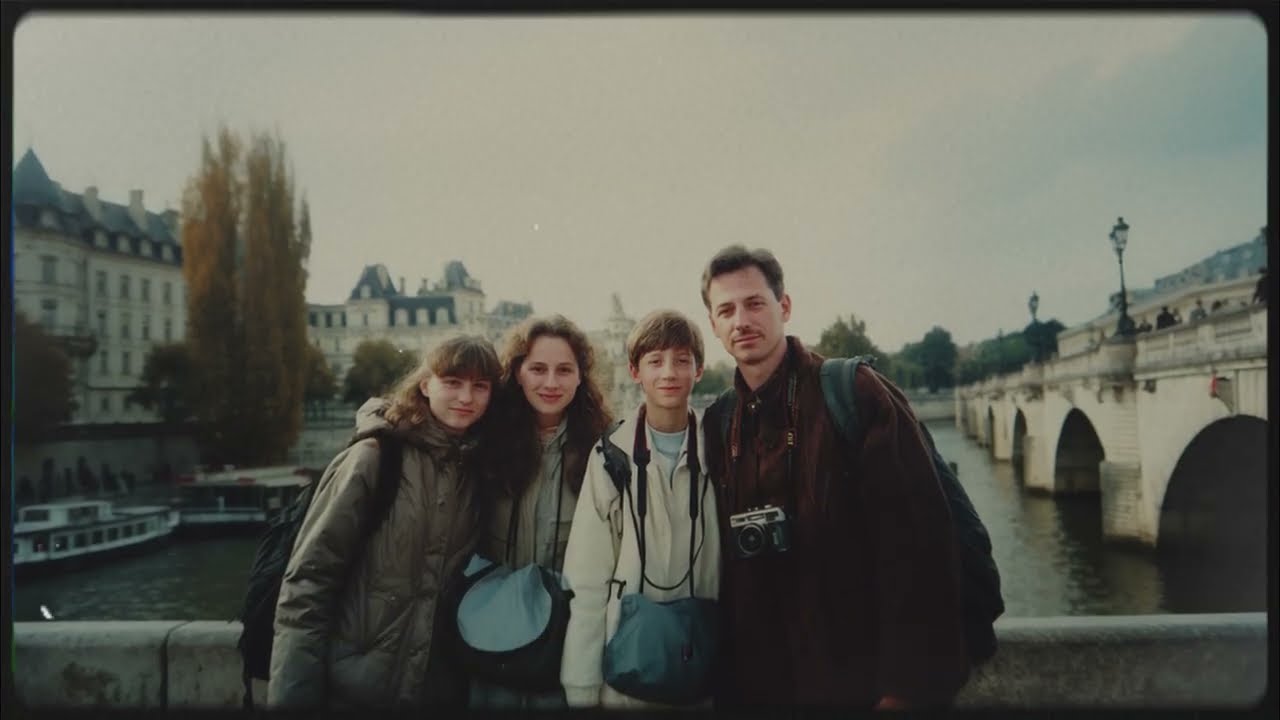
The Mercer story became a parable for endurance, love, and the cruel unpredictability of nature. Schools studied their journal as a lesson in both survival and humanity. Their tale also sparked reforms in canyon safety: better trail markers, more emergency resources, and expanded ranger patrols.
For many, though, the Mercers are remembered less as victims and more as a symbol of unbreakable bonds. They faced the unthinkable not with anger but with love, turning their final days into a testimony of unity.
Even now, visitors to the Grand Canyon sometimes leave small stones painted with the names Jacob, Hannah, Ethan, Lily near Horseshoe Mesa. A quiet act of remembrance. A reminder that even in the harshest silence, love leaves an echo.
Epilogue
In the end, the canyon kept their bodies, but their story broke free. The Mercer family vanished in 2006, but in 2013 they returned—not just as remains in a cavern, but as a legacy of courage, tenderness, and the enduring truth that family is the light we carry, even into the darkest places.
